FAIR data: how to manage it
Findable, accessible, interoperable and reusable: what it means in practice.
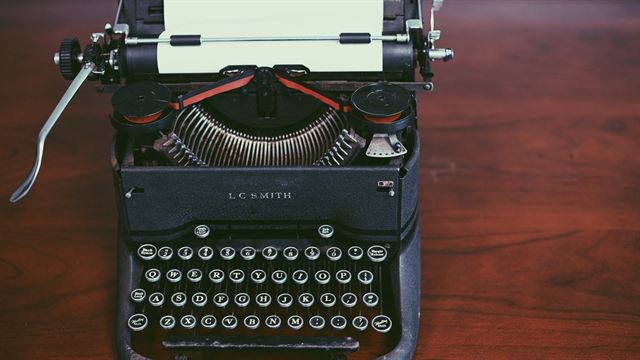
How to Avoid Plagiarism: Citing, Paraphrasing and Taking Good Notes
Most plagiarism cases are not planned cheating: they are notes with no source, paraphrases too close to the original and citations forgotten in a rush. Simple habits prevent them.
Simple rule: if the idea is not yours or common knowledge in your field, cite it. Paraphrasing without citing is still plagiarism.
Pecorari (2013) shows that poor source use often comes from not yet mastering the conventions of academic writing, not from bad intent. That is why it helps to separate copied text from your own from the start:
Tools such as Turnitin show matches, not plagiarism. A high score may come from correct quotations, and a low one guarantees nothing. Review each match and ask what the limit is at your institution.
Rules vary by institution. Check them, verify any sources these tools give you, which may be fake, and declare their use when required. The APA manual (2020) also requires that every citation can be traced back to its source.
Use our paraphraser as a first draft, review it and cite. Check your work with the citation checker and create your references with the APA 7 generator.
Findable, accessible, interoperable and reusable: what it means in practice.
The basic rules on authorship and transparency, and how to declare the use of these tools.
The basic principles, what a consent form should include and when you need an ethics committee.
Automatic assistant: it uses the site’s information and Wikipedia. Check important facts. Talk to a person