How to write your methods
What the methods section must include so someone else could repeat your study.

How to Write an Abstract People Read to the End
The abstract is the most-read part of your work and often the only one. Those few lines decide whether a reviewer carries on and whether someone finds and cites you.
Swales and Feak (2012) describe the abstract as a miniature version of the work. It should answer four questions:
“[Problem]. The aim was to [aim]. A [design] study was conducted with [sample] in [place and date]. [Variables] were measured with [instrument] and analysed with [test]. [Main result with figures] was found. We conclude that [conclusion and implication].”
Many health journals ask for an abstract with subheadings: objective, methods, results and conclusions. Hartley (2004) reviewed the evidence and found that structured abstracts tend to contain more information and to be easier to read and search. If the journal does not ask for it, keep the same order without subheadings.
Day and Gastel (2016) add a good test: a reader should be able to judge within seconds whether the work is of interest.
Read your abstract without looking at the rest of the work. Is it clear what you did and found? Do the figures match your tables? Measure its length with our word counter. If you need it in another language, our academic translation service takes care of your field’s terminology.
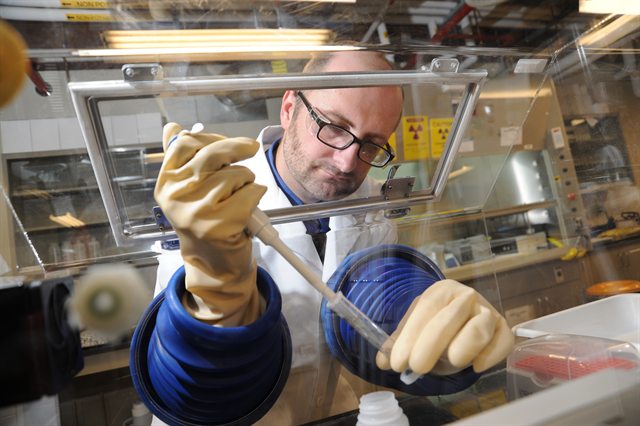
What the methods section must include so someone else could repeat your study.
When to use text, a table or a figure, and how to avoid repeating the same information three times.

The numeric style of the health sciences, with citation and reference examples.
Automatic assistant: it uses the site’s information and Wikipedia. Check important facts. Talk to a person