How to write your methods
What the methods section must include so someone else could repeat your study.

How to Write Clearly in Academic Texts
Writing academically does not mean writing in a complicated way. The best scientific texts are precise and easy to follow.
Gopen and Swan (1990) explain that readers expect certain things in certain places: the subject near its verb, known information at the start of a sentence and what is new or important at the end.
Before: “The performance of an analysis of the data was carried out by the team”.
After: “The team analysed the data”.
If you run out of breath, the sentence is too long. Then run it through the word counter, or use the style checker on our platform.
Pick a paragraph of yours and underline the subject and verb of each sentence. If they are far apart or the real verb is “perform” or “carry out”, rewrite it. Then check the first sentence of each paragraph: read in order, they should tell the whole argument.
This test reveals structural problems that spellcheck cannot detect. Fix the organisation first and leave grammar and format for last.
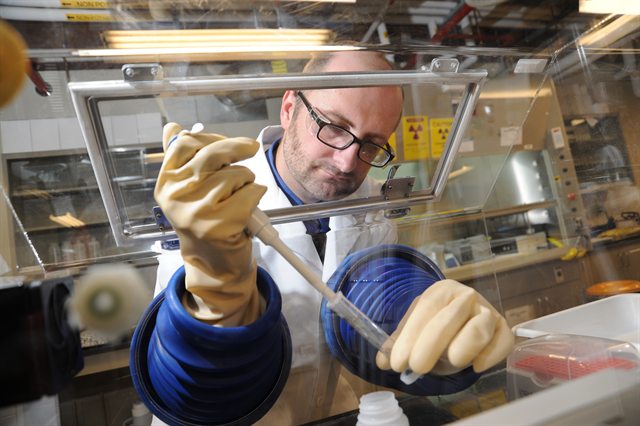
What the methods section must include so someone else could repeat your study.

When to use text, a table or a figure, and how to avoid repeating the same information three times.

The numeric style of the health sciences, with citation and reference examples.
Automatic assistant: it uses the site’s information and Wikipedia. Check important facts. Talk to a person