Livestock field trials
Randomisation, experimental unit and reporting with the REFLECT statement for on-farm studies.
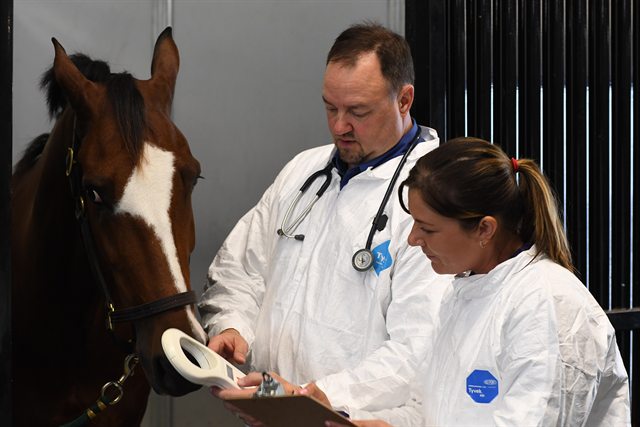
Animal Welfare: The Five Domains Model
Animal welfare is not just the absence of disease. The Five Domains model helps you assess what the animal experiences as well.
Mellor et al. (2020) describe this model, updated to include human–animal interactions:
Key idea: it is not only about reducing the negative. It also seeks opportunities for positive experiences.
If you work in this field, visit our partner Veterinaria Online 24/7.
Imagine assessing calf welfare on a farm. For nutrition, check water availability and body condition. For environment, shade, bedding and space. For health, diarrhoea and lameness. For behaviour, play and social contact. With that, consider the likely mental state.
Record the evidence for each domain and avoid reducing everything to one unexplained number. If you can, combine several visits, as a single observation can mislead.
Randomisation, experimental unit and reporting with the REFLECT statement for on-farm studies.
Replacement, reduction and refinement, and what to report so your animal study can be trusted.

Four arguments that convince a committee your study is worth doing, with a structure you can reuse.
Automatic assistant: it uses the site’s information and Wikipedia. Check important facts. Talk to a person