Animal welfare: five domains
A current way to assess welfare, useful for veterinary and animal science theses.
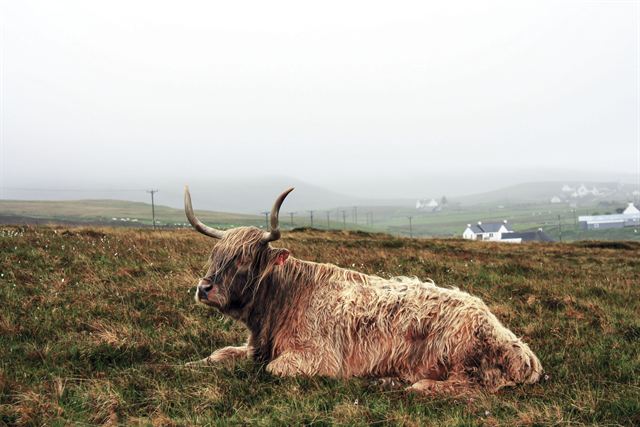
Livestock Field Trials: How to Run Them Well
A trial on a real farm is very valuable, but it also has many sources of bias. A few design decisions make all the difference.
Common error: treating every cow in a batch as independent. That overstates precision and can produce false conclusions.
The REFLECT statement provides guidance for reporting randomised trials in livestock and food safety (O’Connor et al., 2010). It covers the definition of the population, allocation, losses and outcome variables. Also record management conditions, diet and dates.
See also the 3Rs and ARRIVE and check your country’s regulations.
Before starting, agree with the producer what will be done and what happens if an animal falls ill. Record starting weight or production so you can compare fairly. Use the same person or protocol for each measurement, and note any change in diet, weather or management.
Plan for losses: on farms, some animals normally leave the study. Build in a margin from the start and decide how you will handle them in the analysis.
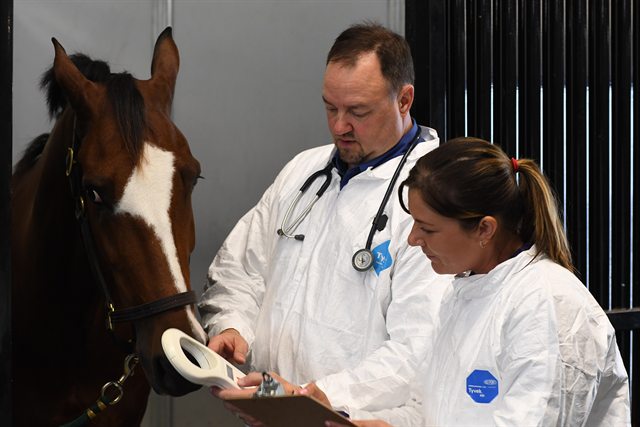
A current way to assess welfare, useful for veterinary and animal science theses.
Replacement, reduction and refinement, and what to report so your animal study can be trusted.

Four arguments that convince a committee your study is worth doing, with a structure you can reuse.
Automatic assistant: it uses the site’s information and Wikipedia. Check important facts. Talk to a person