How to read a scientific paper
A method for not getting lost, understanding the essentials and spotting weaknesses.

Academic Procrastination in University Students: Causes, Consequences, and Evidence-Based Strategies to Overcome It
An academic analysis of one of the most frequent problems in university life and the strategies with the strongest scientific support for addressing it.
University life is a stage marked by important academic, personal, and professional challenges. During this period, students must develop time-management skills, self-regulation, critical thinking, and autonomy in learning. However, one of the most frequent obstacles affecting academic performance is procrastination, understood as the tendency to voluntarily delay important tasks despite knowing the possible negative consequences of that behavior.
Academic procrastination has become a widely studied phenomenon because of its high prevalence in university settings. Different investigations estimate that between 50% and 95% of university students procrastinate occasionally, while about half do so habitually (Steel, 2007). This behavior affects not only academic performance but also psychological well-being, personal satisfaction, and the quality of learning.
For years, procrastination was seen simply as a problem of laziness or lack of discipline. However, advances in educational psychology, neuroscience, and behavioral science have shown that it is a much more complex phenomenon influenced by emotional, cognitive, motivational, and contextual factors. Understanding these causes is essential for designing effective strategies to reduce procrastination and promote healthier study habits.
In an increasingly demanding and digitalized educational context, where technological distractions are constant and academic workload is often high, learning to manage time properly has become an essential competency for university success. This article analyzes the main causes of academic procrastination, its consequences for student performance, and the strategies supported by scientific evidence to overcome it.
Procrastination can be defined as the voluntary and unnecessary delay of a planned activity, even when the individual is aware that such delay may generate negative consequences in the future (Steel, 2007). In the university context, this behavior usually appears in the postponement of assignments, projects, readings, exams, and research papers.
It is important to distinguish procrastination from other similar behaviors. Not every delay is procrastination. In some cases, students may postpone activities due to legitimate external circumstances, time limitations, or urgent priorities. Procrastination, in contrast, involves a voluntary decision to postpone important tasks without an objective reason that justifies it.
Recent research suggests that procrastination should be understood primarily as a problem of emotional self-regulation rather than time management (Sirois & Pychyl, 2013). People procrastinate because they seek to avoid unpleasant emotions associated with certain tasks, such as anxiety, boredom, frustration, or fear of failure.
Fear of failure. One of the most frequent causes is fear of unsatisfactory results. Some students delay starting a task because they feel insecure about their abilities or fear being evaluated negatively.
This phenomenon is often related to low self-efficacy beliefs and high levels of perfectionism. Paradoxically, the more important a person considers an activity, the greater their tendency to procrastinate may become because of the fear associated with possible failure.
Academic perfectionism. Perfectionism is one of the psychological factors most associated with procrastination. Perfectionist students often set excessively high standards for themselves and experience high levels of anxiety when they feel they may not meet those standards.
As a result, they delay beginning tasks as a way of avoiding the possibility of making mistakes or producing work they consider insufficient.
Low intrinsic motivation. Motivation plays a key role in academic behavior. When students perceive an activity as irrelevant, boring, or disconnected from their personal interests, the probability of postponing it increases significantly. Self-determination theory, proposed by Deci and Ryan (2000), argues that people show greater commitment when they experience autonomy, competence, and a sense of purpose in what they do.
Deficits in self-regulation. Self-regulation involves the ability to plan, monitor, and control one's own behavior in order to achieve specific goals. Students who struggle with these skills tend to experience higher levels of procrastination. This includes problems in setting priorities, organizing schedules, maintaining concentration, and resisting distractions.
Digital distractions. The spread of social networks, entertainment platforms, and mobile devices has considerably increased opportunities for distraction. Recent studies show that constant digital interruptions affect concentration and encourage procrastinating behaviors. Immediate access to quick rewards, such as short videos, notifications, and multimedia content, competes directly with academic activities that require sustained effort and whose benefits are usually perceived in the long term.
Lower academic performance. The most obvious consequence is the reduction in the quality of academic work. Students who frequently postpone tasks have less time to research, reflect, revise, and improve their academic output. Various studies have found significant associations between procrastination and lower university grades.
Increased stress and anxiety. Although procrastinating may generate temporary relief, in the long term it increases stress levels. As deadlines approach, students experience growing pressure that can affect their psychological well-being. This cycle creates a bidirectional relationship between anxiety and procrastination: anxiety encourages procrastination, and procrastination increases anxiety.
Deterioration of mental health. Chronic procrastination has been linked to symptoms of depression, low self-esteem, feelings of guilt, and reduced life satisfaction. Sirois (2014) found that people with high levels of procrastination show more indicators of psychological stress and lower overall well-being.
Superficial learning. When students complete tasks hastily in order to meet imminent deadlines, they often adopt superficial learning strategies based on temporary memorization rather than deep understanding. This limits knowledge retention and reduces the transfer of learning to new academic or professional situations.
Advances in neuroscience have allowed a better understanding of the brain mechanisms involved in procrastination. Different studies suggest that this behavior is related to conflicts between brain systems associated with immediate reward and those responsible for long-term planning.
The prefrontal cortex, responsible for executive functions such as decision-making and self-control, must constantly compete with systems more oriented toward instant gratification. When immediate rewards dominate, individuals tend to choose pleasurable short-term activities instead of academic tasks whose benefits will be obtained in the future.
Break complex tasks into small goals. Large tasks often create a sense of overload and encourage avoidance. Dividing large projects into specific and manageable activities reduces anxiety and makes it easier to start. Research shows that setting concrete goals significantly increases the likelihood of completing academic tasks.
Apply the Pomodoro technique. The Pomodoro technique consists of working for 25-minute intervals followed by short breaks. This method improves concentration and reduces psychological resistance to starting tasks. It also helps create a sense of progress and reduces mental fatigue associated with prolonged studying.
Use pre-commitments. Pre-commitments are strategies through which people voluntarily limit their future opportunities to procrastinate. Examples include blocking distracting apps, studying in libraries, or telling classmates about specific academic goals.
Practice self-compassion. Contrary to what many people believe, punishing oneself for procrastinating usually makes the problem worse. Self-compassion means recognizing mistakes without falling into excessive self-criticism. Research by Sirois (2014) suggests that students with higher levels of self-compassion tend to procrastinate less and show a better ability to resume tasks after making mistakes.
Strengthen motivation through meaningful goals. Relating academic activities to personal, professional, and vocational goals can increase intrinsic motivation and reduce procrastination. When students understand how a task contributes to their future aspirations, it becomes easier to stay committed.
Manage digital distractions. Scientific evidence recommends setting specific periods for checking social media and using technological tools that limit interruptions during study sessions. Small environmental changes can produce meaningful improvements in concentration and academic productivity.
Higher education institutions also play an important role in preventing academic procrastination. Student orientation programs, time-management workshops, self-regulated learning strategies, and psychological support can significantly contribute to the development of healthy academic habits.
Likewise, teachers can support self-regulation by breaking extensive projects into stages, providing continuous feedback, and establishing clear timelines that facilitate student planning.
Academic procrastination is one of the most frequent challenges in contemporary higher education. Far from being simply a problem of laziness or lack of discipline, it is a complex phenomenon influenced by emotional, cognitive, motivational, and environmental factors.
Scientific evidence shows that procrastination negatively affects academic performance, mental health, and the quality of learning. However, it also indicates that this behavior can be significantly reduced through strategies based on self-regulation, emotional management, and effective planning.
Overcoming procrastination does not mean achieving perfect productivity, but rather developing sustainable habits that allow steady progress toward meaningful academic goals. In an increasingly demanding university environment, learning to manage time and emotions properly is an essential competency for academic and professional success.
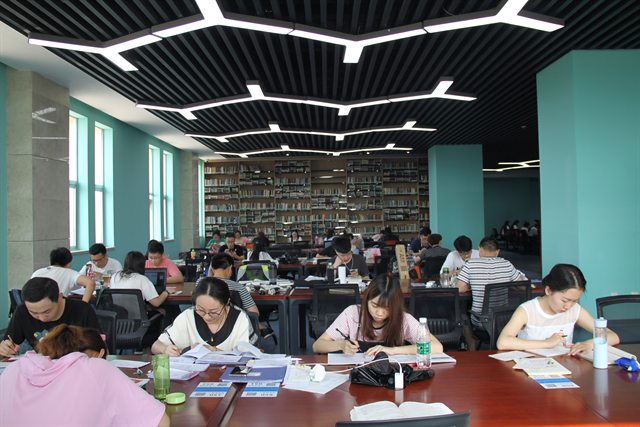
A method for not getting lost, understanding the essentials and spotting weaknesses.
Few words, one leading figure and a one-minute explanation.

Clear agreements, productive meetings and what to do when the relationship gets difficult.
Automatic assistant: it uses the site’s information and Wikipedia. Check important facts. Talk to a person