How to make a scientific poster
Few words, one leading figure and a one-minute explanation.
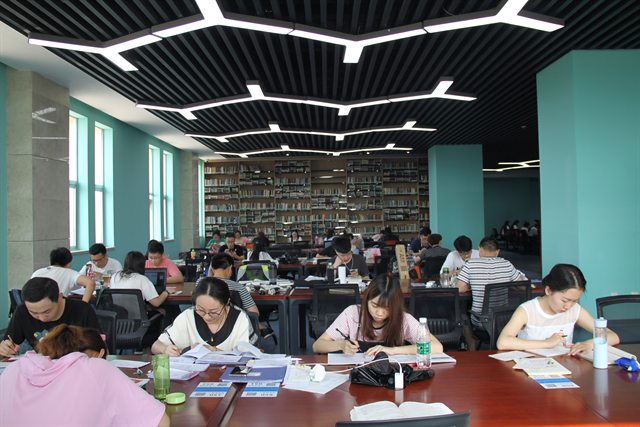
How to Read a Scientific Paper Critically
You do not have to read a paper from start to finish to understand it. With a clear order and a few questions, you go faster and understand more.
Carey et al. (2020) suggest, among other rules, identifying the field’s big question, summarising in your own words and finding out what other researchers think of the work.
Tip: when you finish, write in three sentences what they did, what they found and what it means for your work. That way you can use it without copying.
Create a table for all your reading with these columns: reference, aim, design, sample, main result, limitations and usefulness for your work. Fill it in right after each article. When you reach your framework, half the work will already be done.
If a term stops you, note it and carry on. Come back later with your own glossary. Over time you will read much faster, because each field repeats its methods and vocabulary.
Few words, one leading figure and a one-minute explanation.

Clear agreements, productive meetings and what to do when the relationship gets difficult.
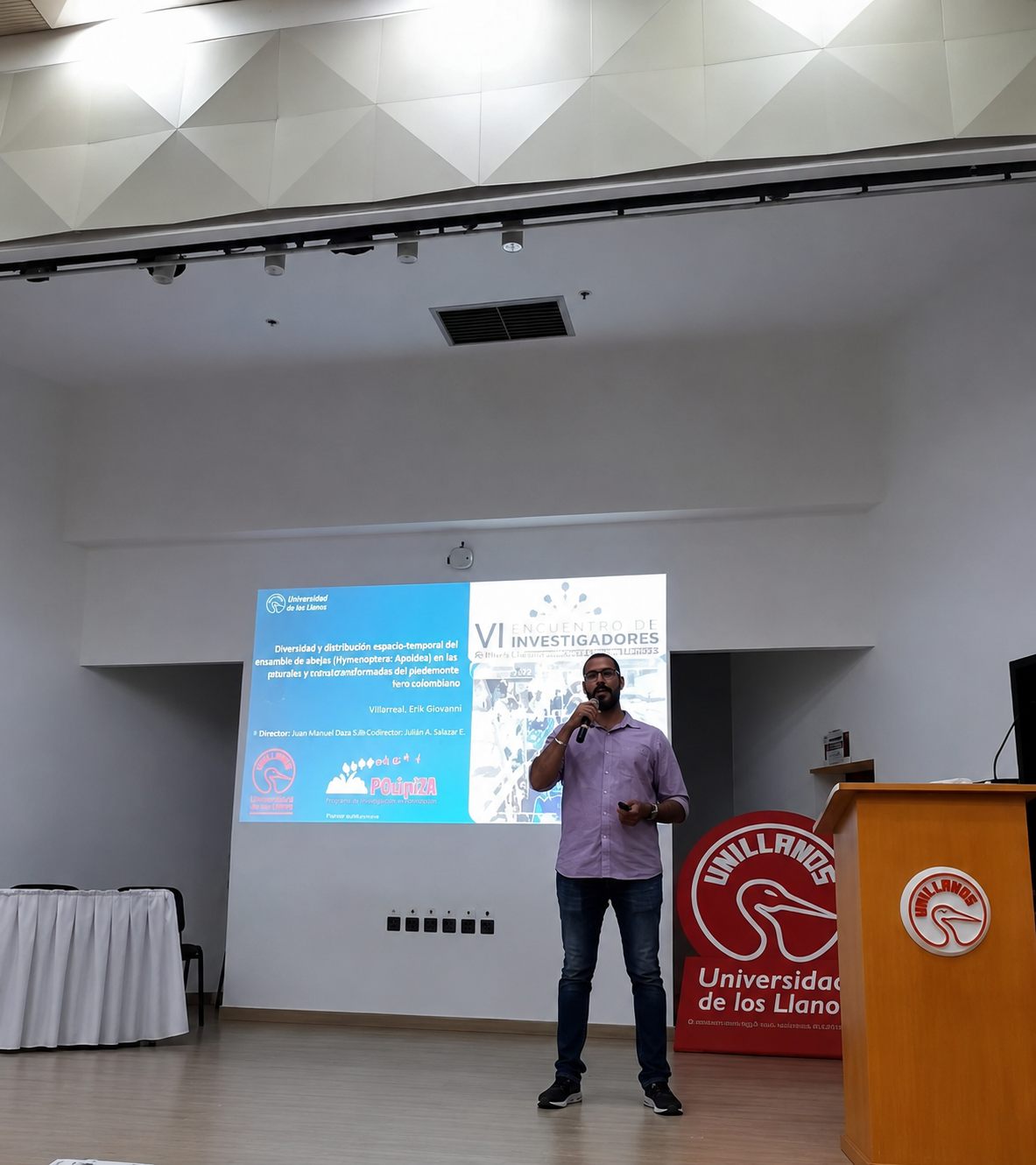
How to build your slides, how much to rehearse and how to answer the committee’s questions with confidence.
Automatic assistant: it uses the site’s information and Wikipedia. Check important facts. Talk to a person