How to read a scientific paper
A method for not getting lost, understanding the essentials and spotting weaknesses.
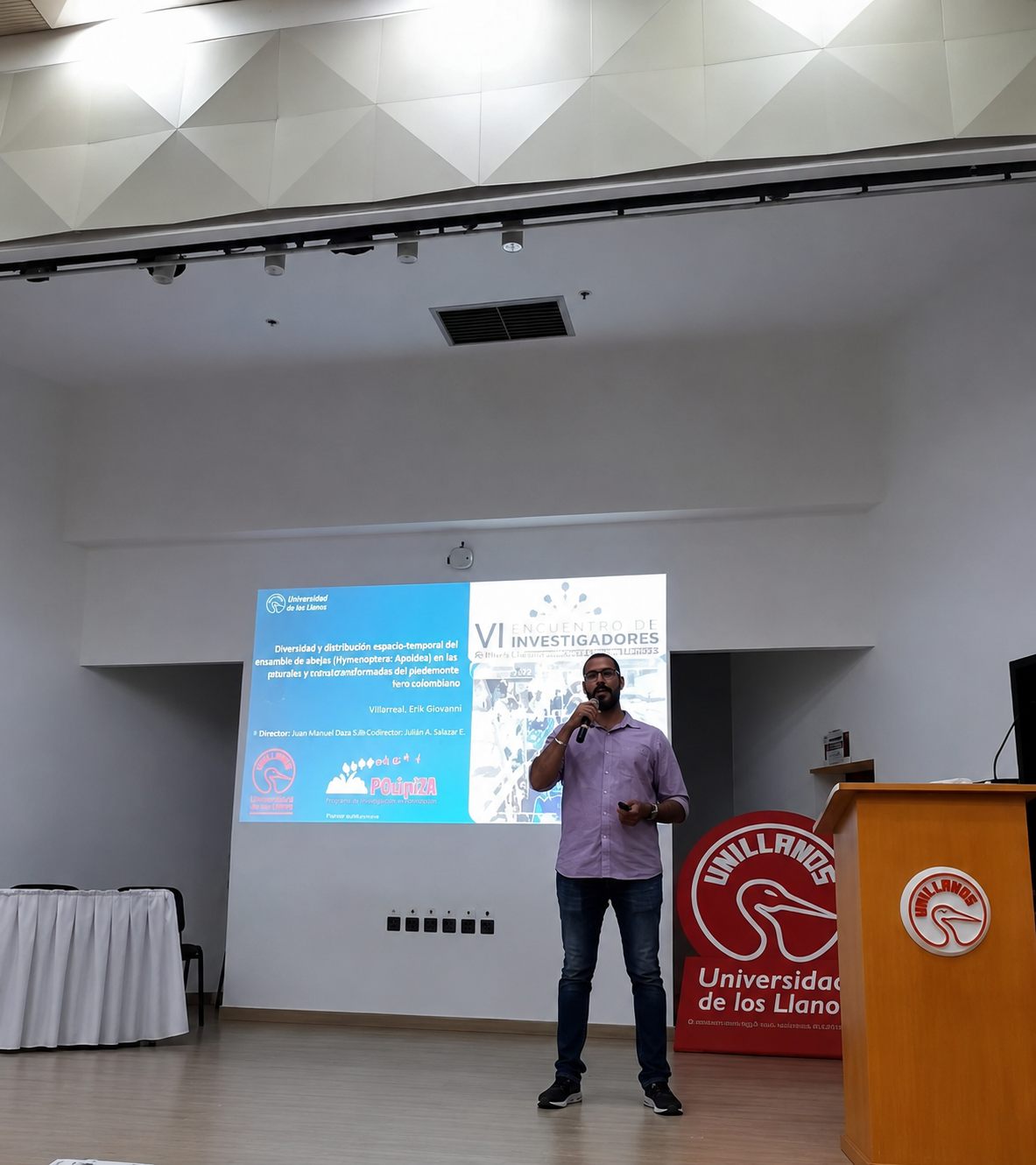
How to Prepare Your Thesis Defence Without the Nerves
A thesis defence is not a memory test. It is a short conversation with people who want to know what you did, why and what you found. You know your work better than anyone.
Bourne (2007) sums up the first rule: speak to your audience and leave one or two key ideas in their memory.
Alley (2013) proposes an evidence-based format: a full sentence as the slide title and an image or chart that backs it up, instead of bullet lists.
They tend to repeat. Prepare a brief answer to these:
If you do not know something: say so calmly. “I did not assess that in this study, but it would be a good line for future work” is a professional answer.
Arrive early, test the equipment and bring your presentation in two formats, including PDF. If it is online, check your camera, audio and connection. We can help you prepare your slides and script and rehearse the committee’s questions.
A method for not getting lost, understanding the essentials and spotting weaknesses.
Few words, one leading figure and a one-minute explanation.

Clear agreements, productive meetings and what to do when the relationship gets difficult.
Automatic assistant: it uses the site’s information and Wikipedia. Check important facts. Talk to a person