How to read a scientific paper
A method for not getting lost, understanding the essentials and spotting weaknesses.

How to Work Well with Your Thesis Supervisor
A good relationship with your supervisor speeds up your thesis. It does not depend only on luck: it is built on clear agreements from the start.
Masters and Kreeger (2017) suggest writing an expectations document. It helps to make clear:
When you hand in a text, say what you need: “Please check only whether the methods answer the aim” gets better results than “can you look at this?”.
Speak up early and in writing. If there is no response for weeks or a conflict arises, go to the programme coordinator or check your university’s regulations. Asking for support is valid.
Send a short email after each meeting: “We agreed: 1) adjust the aims, 2) send chapter 2 by the 15th. Is that right?”. It prevents misunderstandings and leaves a record. When you receive comments, reply saying which you applied and which not, with a brief reason.
If your supervisor is short of time, ask for short, frequent meetings and bring one important question. Be punctual with what you promise: trust gets you faster replies.
A method for not getting lost, understanding the essentials and spotting weaknesses.
Few words, one leading figure and a one-minute explanation.
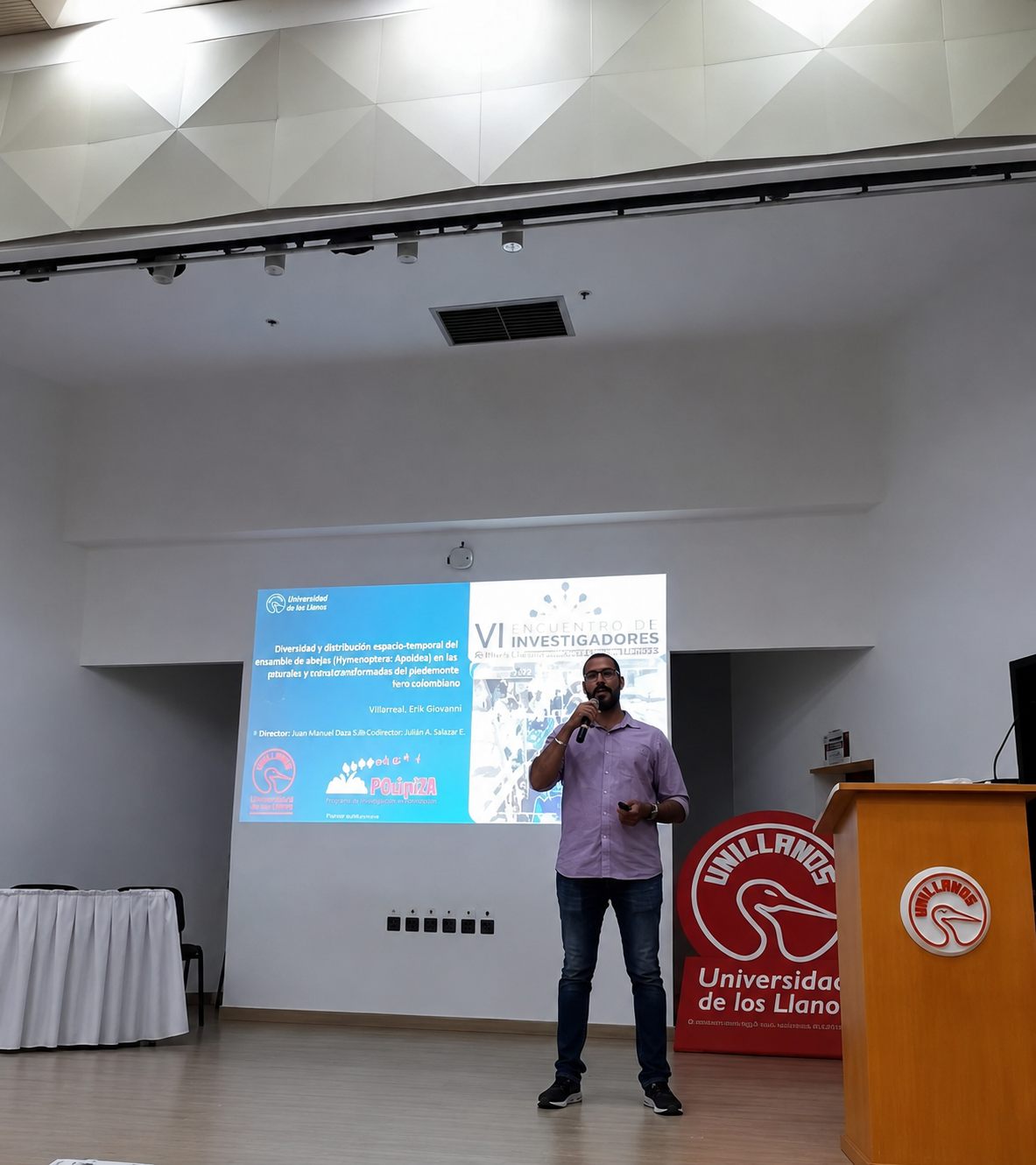
How to build your slides, how much to rehearse and how to answer the committee’s questions with confidence.
Automatic assistant: it uses the site’s information and Wikipedia. Check important facts. Talk to a person