How to read a scientific paper
A method for not getting lost, understanding the essentials and spotting weaknesses.
How to Make a Scientific Poster People Read
At a conference, your poster has seconds to catch attention. It is not an article pinned to a wall: it is an invitation to talk.
Erren and Bourne (2007) remind us that a good poster defines its purpose, draws people in with a clear title and relies on visuals.
Prepare three versions: a 30-second explanation, a 2-minute one and answers to likely questions.
We can help you prepare your presentation.
Split the space into three zones: top, title and authors; centre, your main result, large and visible; sides, a short introduction, methods and conclusions. Many people will read only the centre in passing, so it must make sense on its own.
Use a light background, two colours at most and a plain font. Ask someone to look at it for three seconds and say what they remember. If they miss your message, simplify.
A method for not getting lost, understanding the essentials and spotting weaknesses.

Clear agreements, productive meetings and what to do when the relationship gets difficult.
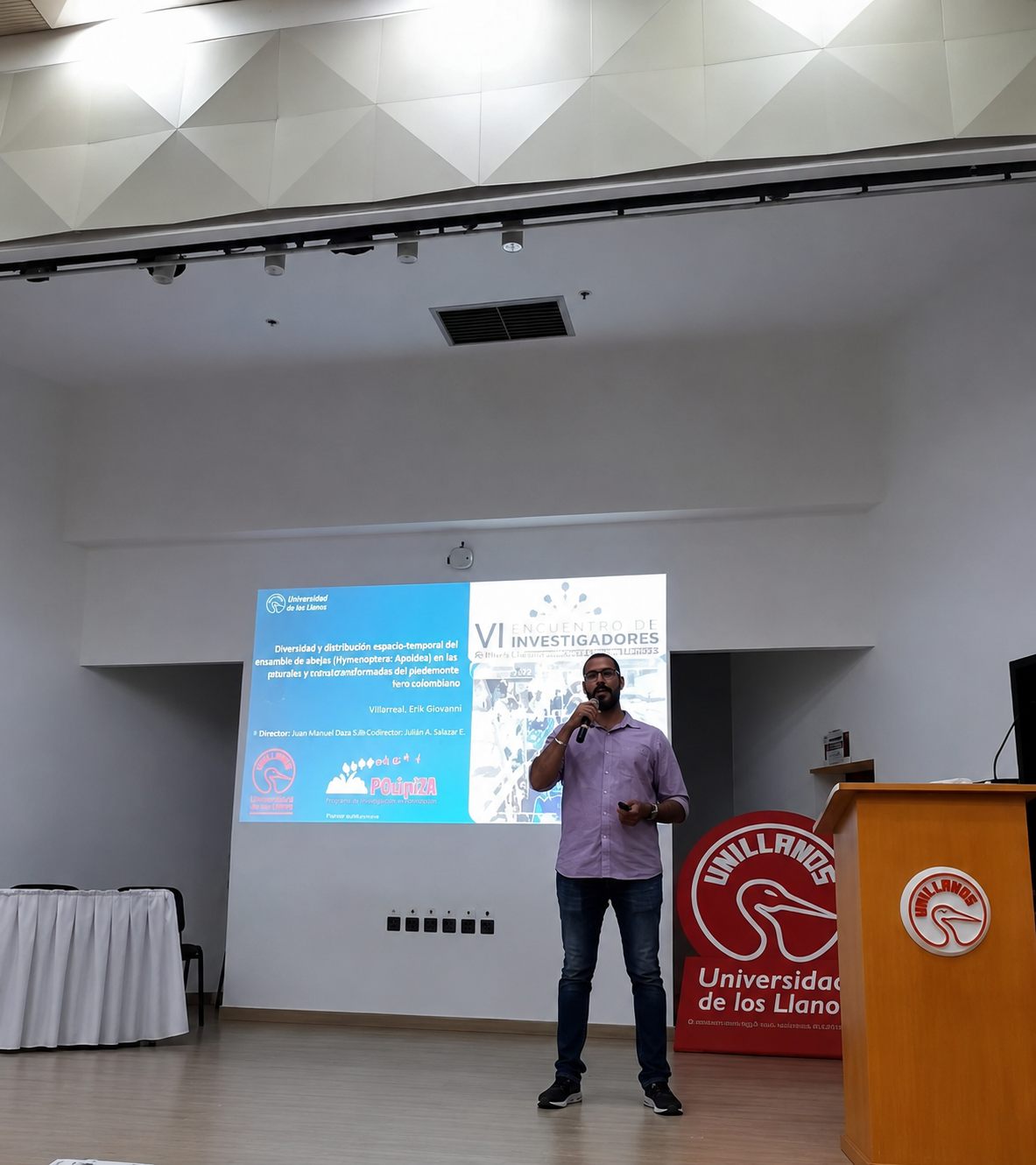
How to build your slides, how much to rehearse and how to answer the committee’s questions with confidence.
Automatic assistant: it uses the site’s information and Wikipedia. Check important facts. Talk to a person